

Contact Us: +86 13807177084 / hkfurnace@hotmail.com
Sintering technology is widely used in many industrial industries such as iron and steel industry, metallurgical industry, ceramic industry, etc. For example, Cemented Carbide , ceramics, Refractory Material , powder metallurgy, High Temperature material firing all require the application of sintering technology.
Sintering Furnace can be used for Cemented Carbide sintering heat treatment to improve material properties. In the ceramic product industry, such as architectural ceramics, sanitary ceramics, and fire-resistant ceramics, continuous furnaces or batch furnaces are used for sintering. Equipment can also be used for drill bit sintering, alumina sintering, zirconia ceramic sintering, diamond saw blade sintering, etc.
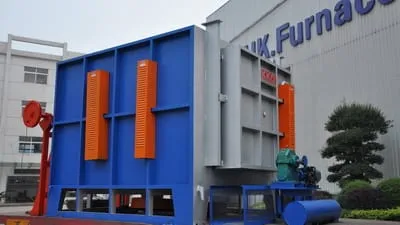
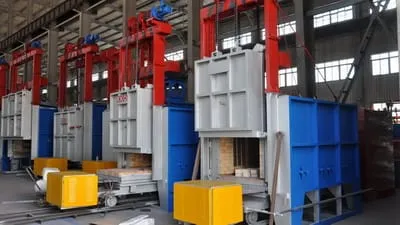
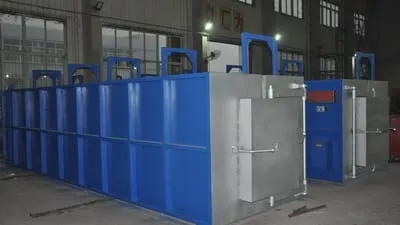
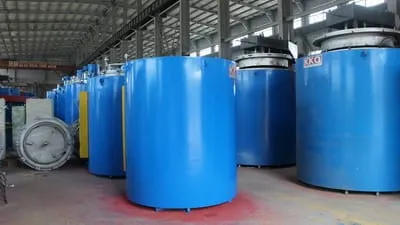
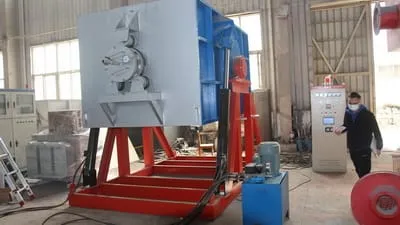
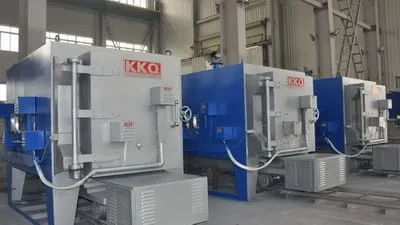
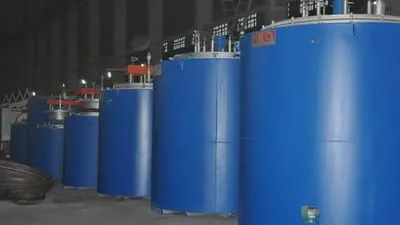
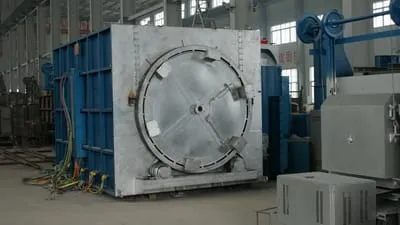
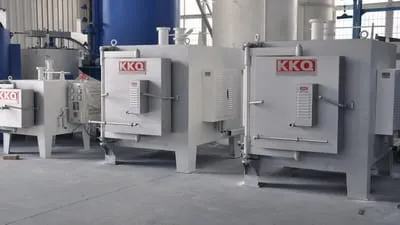
Due to the fact that the types and structures of sintering processes differ when applied in different industries, there are vacuum structures and commonly used horizontal, Pit Type structures Sintering Furnace , workpieces undergo sintering heat treatment in a vacuum state or air inside Furnace Chamber , and there are also designs and manufactures based on application purposes, such as drill bits Sintering Furnace , alumina Sintering Furnace , nozzles Sintering Furnace , etc.
If you need to learn about relevant Equipment such as Roasting Furnace , please click here to view.Roasting Furnace Detailed introduction
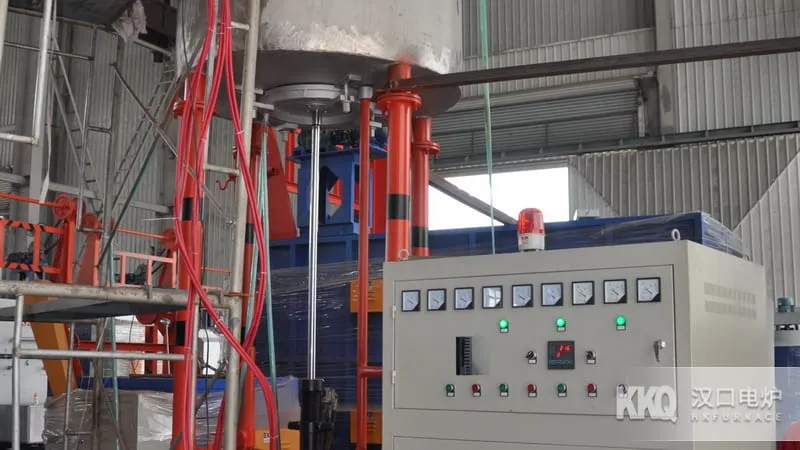
Simply put, sintering is the process of converting powdered materials into dense solids.
Macro definition: Under High Temperature (not higher than the melting point), solid particles bond with each other, crystal grains grow, voids (pores) and grain boundaries gradually decrease, through the transfer of matter, the total volume shrinks, density increases, and finally becomes a dense polycrystalline sintered body with a certain microstructure. This phenomenon is called sintering.
Microscopic definition: In a solid state, there is mutual attraction between molecules (or atoms). Heating enables particles to acquire enough energy to migrate, causes particle bonding in the powder body, produces Strength and leads to densification and recrystallization. This process is called sintering.
In heat treatment applications, powder, powder compact or other forms of materials are heated to a certain sintering temperature, held for a certain period of time and then cooled, so that the materials undergo a series of physical and chemical changes, gradually densifying from loose to form a solid whole with a certain geometric shape, mechanical Strength is greatly improved, so as to obtain materials with the required properties. This process is called sintering heat treatment process.
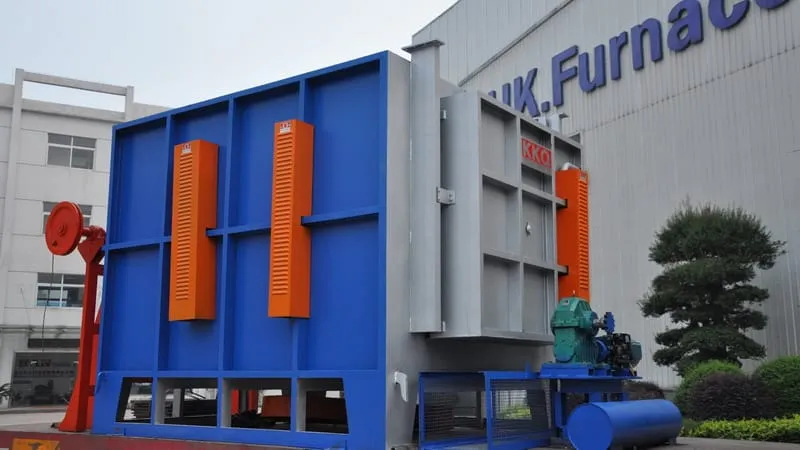
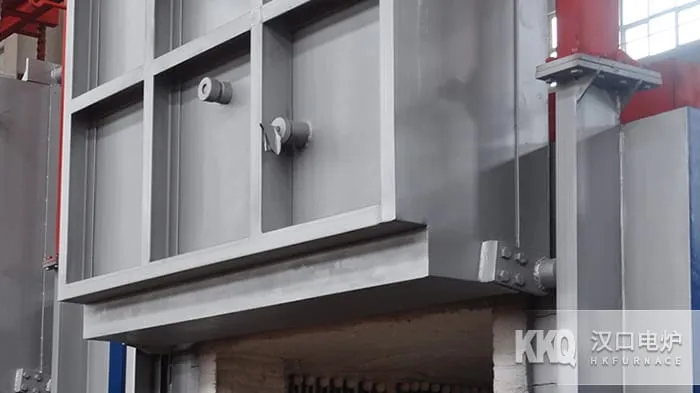
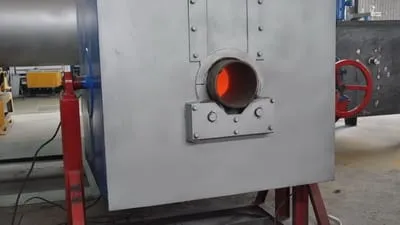
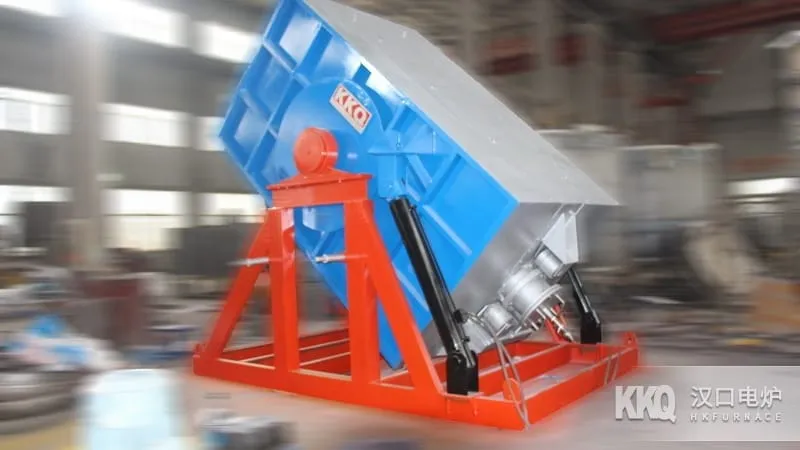
The outer steel shell is welded and formed from steel plates and section steels. The furnace body structure Durable is reinforced with combined channel steels.
Furnace Chamber It is built with high-purity Ceramic Fiber High Pressure modules, with multiple anchoring, to ensure the excellent thermal insulation performance in the manufacturing of Furnace Lining .
Energy Saving Emission reduction technology, Full-Fiber structure, the in-furnace Liter temperature speed is fast. Low thermal conductivity, low heat capacity, excellent corrosion resistance.
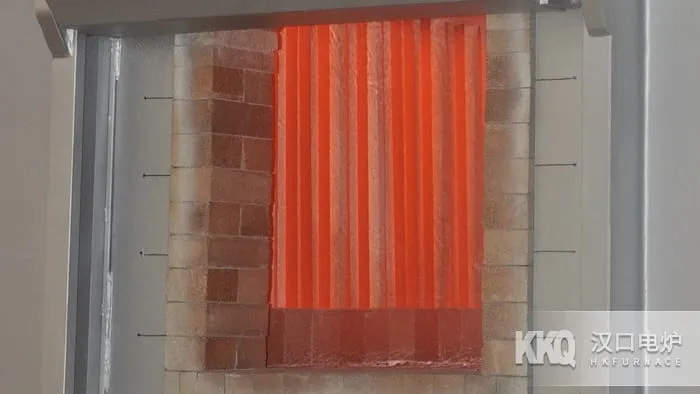
Heating Element is specially made Superalloy Resistance Strip , reasonably arranged around Furnace Chamber according to the average temperature design.
Good Oxidation Resistance energy , resistance High Temperature , high load . Ultra High Temperature no cracking when heated , regular Year maintenance-free .
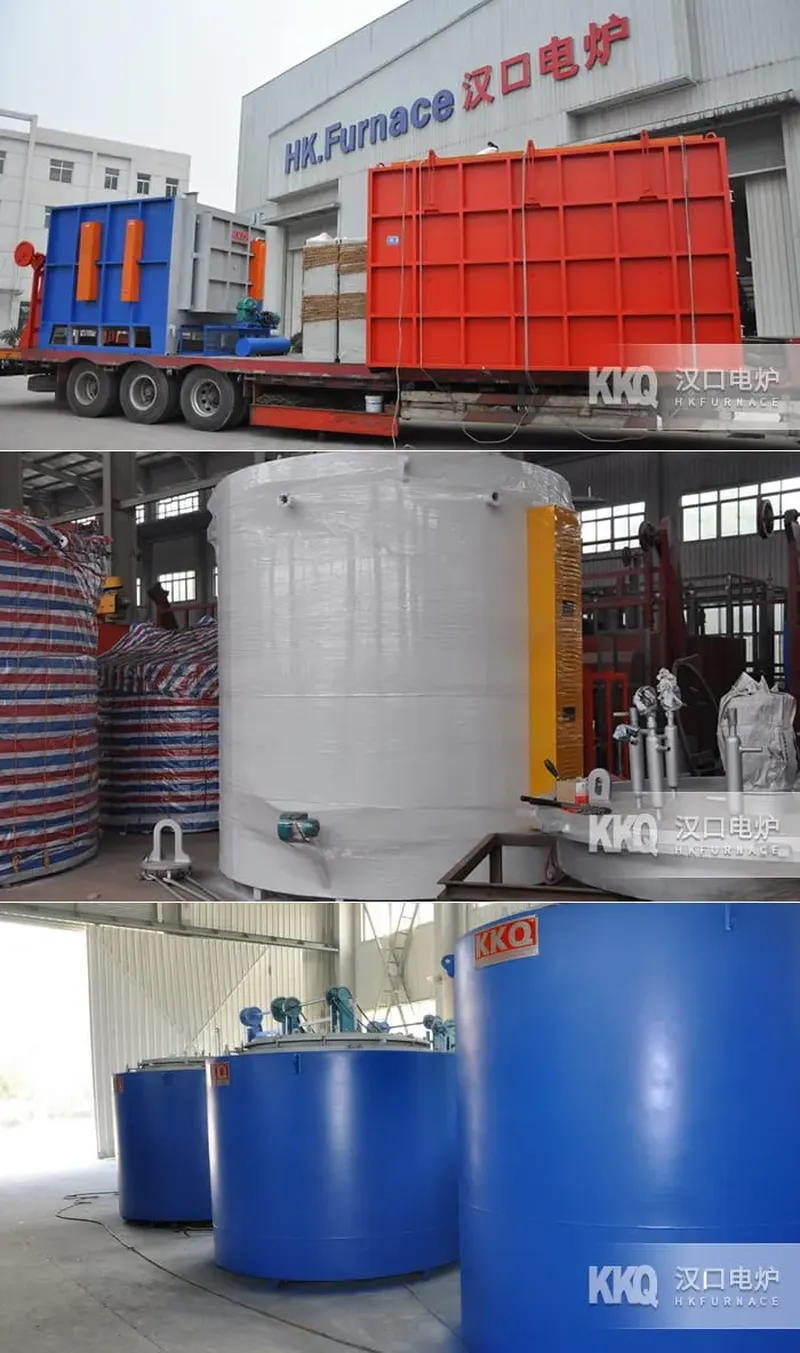
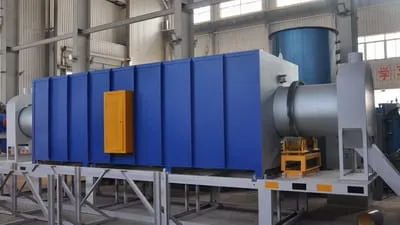
Vacuum High-Temperature Sintering Furnace , Bogie Type alumina Sintering Furnace , nozzle Sintering Furnace and many other furnace types can be customized.
Multiple application solutions for the iron and steel industry, metallurgical industry and ceramic industry.
800-1700℃, with a wide temperature range and strong adaptability of applications.
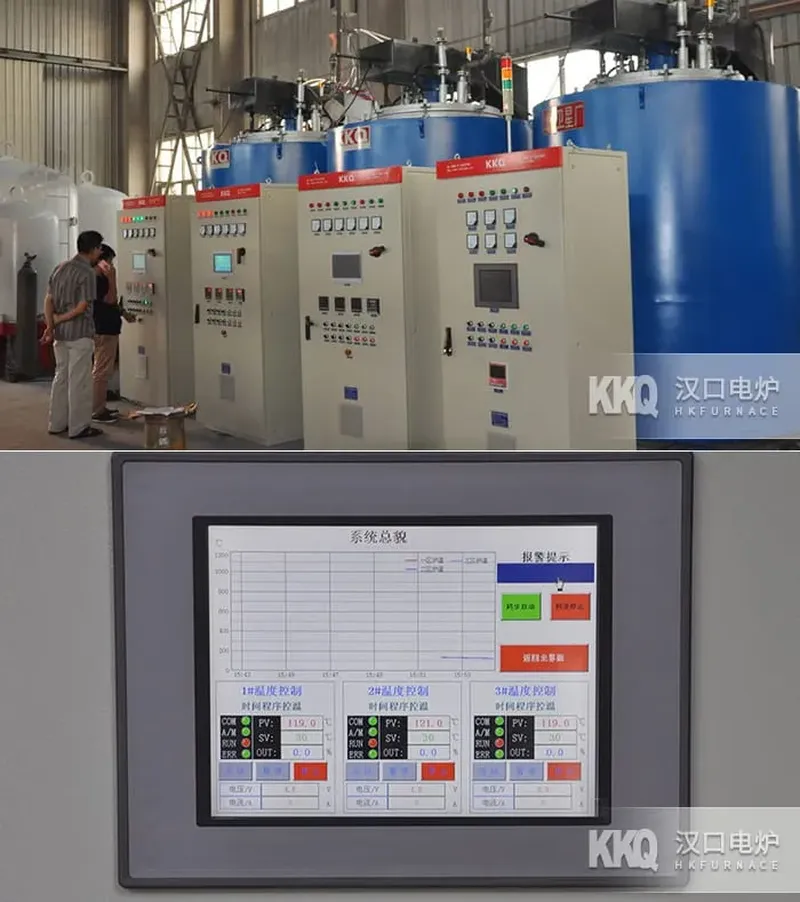
Customized zoned independent temperature control achieves the AMS2750E standard.
High Quality Power regulation module, Precision process curve Automation control.
Hankou Furnace The temperature control system with graphical interface independently developed by the company. Touch Screen
The heat treatment process curve achieves High Precision implementation in practical applications , with a temperature control accuracy of ±1℃ .


HKFurnace Wechat