
Whether perlite raw material has industrial value is mainly determined by its expansion multiple after High Temperature roasting and product density. Below are the main industrial assessment indicators for volcanic rock: 1. Expansion multiple Ko﹥5 to 15 times; 2. Bulk density 80 to 200㎏/m3.
General quality requirements for perlite raw materials are:
1. The glass mass is pure, with good transparency, and those with light color are mostly high-quality.
2. No or slight devitrification; those with severe devitrification are inferior products.
3. Chemical composition: SiO2 is approximately 70%, H2O is 4% ~ 6%; if Fe2O3 is less than 1%, it is high-quality, if Fe2O3 is more than 1%, it is medium to low-quality.
1. Vitreous transparency and structural development degree: The vitreous changes from transparent, translucent to opaque, the perlite structure changes from extremely developed, relatively developed to underdeveloped, and the expansion multiple correspondingly changes from large to small.
2. Content of sanidine and quartz phenocrysts: The presence of sanidine and quartz phenocrysts in the vitreous mass is unfavorable to the expansion of the ore; after expansion of perlite with phenocrysts, its air pores are interconnected, resulting in excessively large pores and affecting thermal insulation performance.
3. Iron content: If the iron content of the ore is too high, it will affect the color of the product, and there is a tendency to reduce the expansion effect.
4. Moisture content: The moisture content of ore is one of the factors affecting product quality.
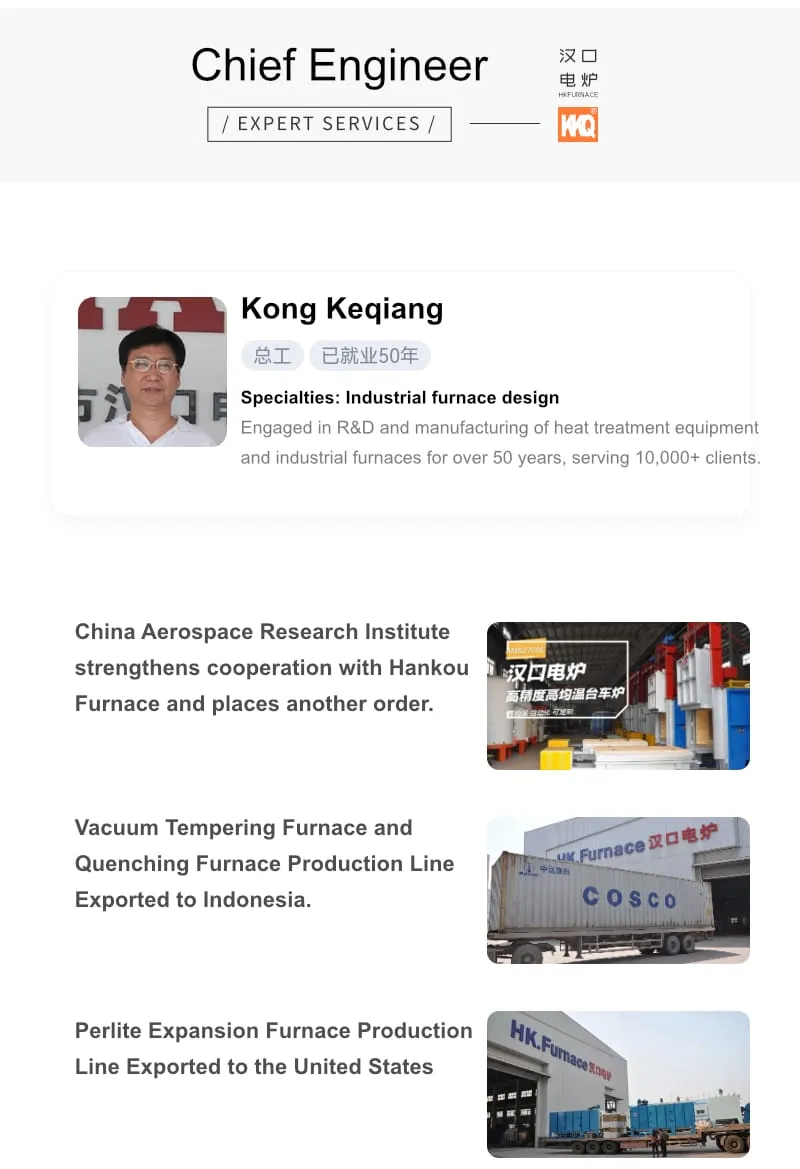
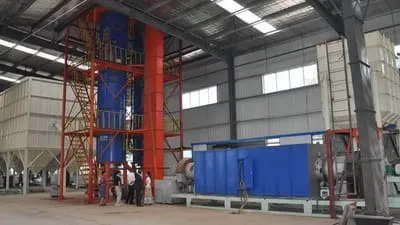
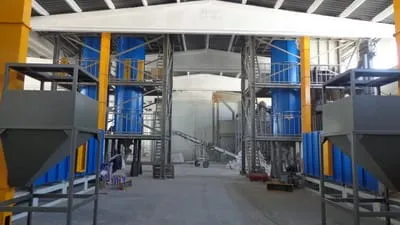
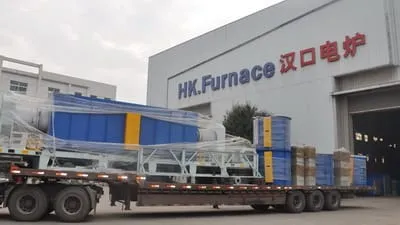
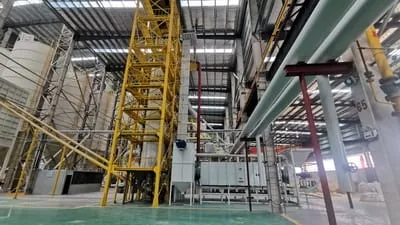

We have gathered on-site cases of perlite equipment across China
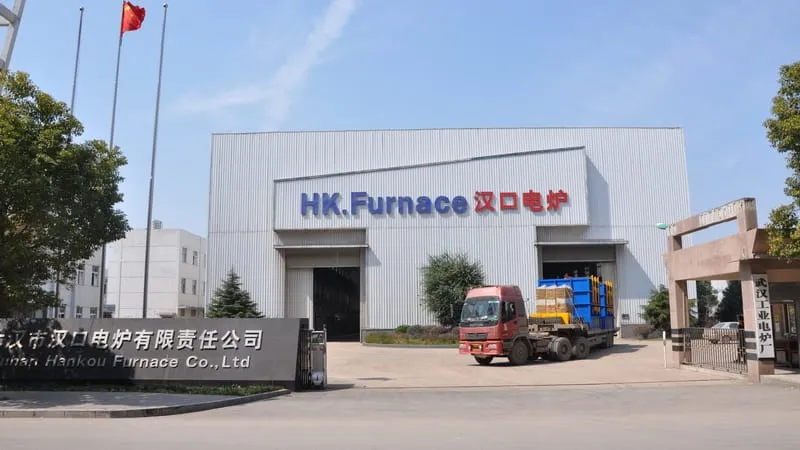
Hankou Furnace boasts 50 years of manufacturing experience

HKFurnace Wechat